
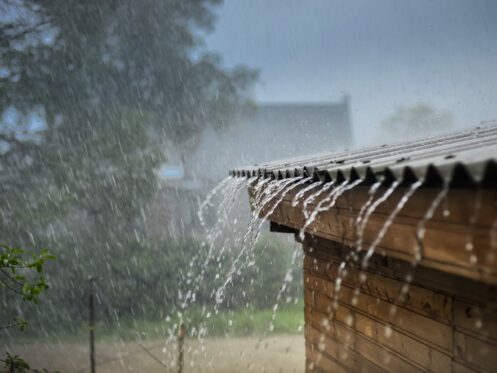
Hailstorms and flying debris can cause sudden, costly damage to your roof, often when you least expect it. While traditional shingles provide reliable protection, severe weather can lead to cracks, leaks, and granule loss, compromising your home’s defense. Impact-resistant shingles offer a stronger solution, engineered to withstand harsh conditions and minimize damage.
Hail Damage Isn’t Always Obvious Until It Spreads
Your roof might look fine after a storm, especially from the ground. But hail doesn’t have to be large to do real damage. Even small impacts can crack the protective surface of standard shingles. When those hits don’t break the shingle right away, they often leave soft spots where the granules loosen, and the material underneath becomes exposed. Those weak spots collect moisture during the next rain, and that moisture slowly breaks down the layers that keep water out of your attic.
If you’ve ever seen a discolored patch on your ceiling or noticed a musty smell in your upper rooms, there’s a chance the damage didn’t start with a leak. It started with a shingle that took one too many hits. Impact-resistant shingles are designed to absorb that kind of force without cracking. They flex, compress, and bounce back when impacted by hail or debris.
Wind-Driven Debris Turns Standard Shingles Into Targets
Not every threat to your roof falls from the sky. In high winds, debris like branches, loose gravel, or even roof tiles from nearby homes can hit your shingles from the side. Standard shingles often crack or break when that impact lands at an angle. This damage makes the shingles vulnerable to wind gusts, which may cause them to lift or tear. Over time, the sun and subsequent storms can make this damage even worse.
Impact-resistant shingles significantly improve your roof’s durability in extreme weather. Built with a reinforced fiberglass mat base and polymer-modified asphalt, they resist tearing and maintain structural integrity under stress. The shingles also feature sealed edges and thicker laminate layers to prevent wind uplift and minimize hail damage.
Insurance Claims Start With Performance Ratings
You may have heard of Class 3 or Class 4 shingles, but not everyone is familiar with what these classifications mean. They’re part of a rating system developed to test how well shingles hold up to simulated impact. These tests involve dropping steel balls from measured heights to see if the shingle cracks, loses granules, or becomes deformed. Class 4, the highest rating, indicates the shingle withstands impact without splitting or visible substrate damage.
If you’ve ever filed an insurance claim after a storm, you know the process starts with an inspection. Adjusters look for bruising, cracks, and other signs that the surface failed. When you install Class 4 shingles, some policies offer lower premiums or expanded coverage because the roof carries a higher resistance to storm damage. That doesn’t mean the shingle is unbreakable, but it holds up better than standard roofing, and that reduces risk for both you and your insurer.
Less Shingle Loss Means Fewer Repairs After a Storm
Once shingles blow off in a storm, the problems start multiplying. Even if only a few are missing, water flows differently across the exposed area. Instead of being directed toward the gutter, it penetrates into the underlayment and can cause rot in your roof decking. It also creates vulnerable spots that allow water to spread under the surrounding shingles. What begins as a few lost shingles can turn into a major repair involving replacing the shingles for a whole section of your roof.
Impact-resistant shingles aren’t just tougher. They’re engineered to stay put. Their heavier weight and reinforced adhesive strips create a stronger bond, resisting wind uplift and preventing edges from lifting, even during sustained gusts. They hold up longer under severe weather, reducing the risk of leaks, lost shingles, and emergency repairs. When a storm rolls through, your roof stays sealed.
Longer Lifespan Helps Delay Full Replacement
Most asphalt shingles are rated for 20 to 30 years, but this lifespan depends on how well the roof withstands local conditions. In areas with hail, strong sunlight, and wide temperature fluctuations, the material wears down more quickly. Granules fall off, the backing dries out, and the adhesive becomes brittle. Once that process starts, it spreads, and you lose protection even if the shingles are still technically in place.
Impact-resistant shingles are built with stronger base layers and denser composition. That gives them a better chance at keeping their shape and holding their surface under stress. That doesn’t mean you’ll never need a new roof again, but it does mean you can get more out of the one you install now. If you’ve already gone through patch jobs or spot repairs, you know how fast those costs add up. Upgrading to a longer-lasting material allows you to extend the time between replacements, which offsets the initial cost of superior materials.
Impact-Resistant Shingles Reduce Noise
One side effect of a thicker, better-built shingle is the way it softens outside noise. During heavy rain, the added material absorbs sound more effectively than a standard roof. That difference may not matter in every part of the house, but if you’ve got bedrooms or living spaces near the attic, the quieter experience stands out. You hear less of the hard tapping or sudden patter that comes when storms hit the roof.
This kind of noise control isn’t just about comfort. It can also help if you work from home, care for young kids, or just prefer a quieter environment when the weather gets loud. While the primary goal of an impact-resistant shingle is durability, the structure that protects against hail also helps dampen sound. That’s not something you plan a roof around, but it’s a benefit you’ll appreciate when the rain comes hard.
Better Materials Offer More Style Choices Now
In the past, stronger shingles usually meant heavier, thicker, and less appealing options. They did the job, but they looked plain or bulky. That’s changed. Many of the top-rated impact-resistant shingles now come in colors and patterns that mimic wood shakes, slate, or traditional asphalt styles. That means you don’t have to trade appearance for performance. You can choose a look that fits your home while still getting the added strength of a Class 4 product.
This is especially helpful if you’re updating a roof as part of a larger renovation or if you live in a neighborhood with design guidelines. You get more say in how the finished project looks while still improving the function. If curb appeal matters to you, the upgrade pays off in appearance as much as in protection.
Contact Your Local Roofing Experts
We offer customers a full line of roofing services, including repair, replacement and inspections as well as skylight installations and storm damage restoration services. Upgrading to impact-resistant shingles gives you more than toughness. It gives you peace of mind when the forecast looks rough. If you’re ready to learn more or explore your options, schedule a consultation with Fraser Roofing, LLC in Newnan, GA today.