
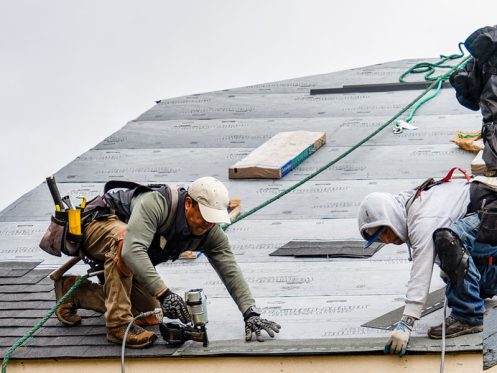
Summer in the Southeast is a rigorous structural stress test for your home. While homeowners focus on ventilation maintenance to keep living spaces cool, the roof often goes unnoticed until a leak appears. During the hot season, roof surfaces frequently reach temperatures exceeding 150°F. Investing in roof maintenance services in spring can prevent structural failures due to extreme heat.
How Summer Weather Damages Roofs
Heat affects roofing materials at a molecular level. It causes physical changes that compromise the roof’s ability to shed water and resist wind. Here’s how:
- Thermal cycling: Roofing materials expand and contract from temperature fluctuations. This results in thermal cycling, putting immense strain on the roof’s components. Over time, adhesive seals between shingles fracture. When seals break, and shingles are no longer bonded, shingles become susceptible to wind uplift. Roofing nails can also loosen and create bumps that tear through the shingles. These loose nails impact the roof’s watertight seal.
- Dried oils: Asphalt shingles rely on volatile oils in their chemical makeup to remain flexible, waterproof, and durable. Prolonged exposure to ultraviolet (UV) radiation dries out these oils, making shingles brittle and stiff. When oils evaporate, shingles lose their ability to expand and contract without cracking. This process weakens the bond between the asphalt and the protective granule coating. When these granules wash away, the underlying asphalt deteriorates quickly. Faded or washed-out-looking shingles indicate this effect.
- Algae growth: In the Southeast, heat brings moisture that encourages biological growth. For instance, black streaks common on Georgia, South Carolina, and Tennessee roofs are actually cyanobacteria. Beyond a cosmetic issue, this algae feeds on the crushed limestone filler found in many asphalt shingles. As the algae spreads, it creates a layer that retains moisture, preventing shingles from drying out between summer storms. This accelerates granule loss and softens the wood deck underneath.
Managing these risks is critical for protecting your home’s structural integrity. Roof maintenance practices ensure your roof remains intact and sheds water efficiently. However, your roofing material also impacts how much it can handle the summer heat. The Cool Roof Rating Council (CRRC) rates roofing products to measure their ability to reflect summer heat rather than absorb it.
Materials that absorb excessive heat can degrade faster. Meanwhile, roofing that can stay cool reduces the heat it transfers to the attic and the physical stress on the roof structure. Roofing professionals can help evaluate whether your roofing materials work with your local climate or if they need a reflective coating to extend their service life.
How Ventilation Systems Play a Role
Roof systems rely on balance. While shingles protect against water from above, ventilation systems protect roofs from heat accumulation beneath. A poorly ventilated attic can reach extremely high temperatures in midsummer. Beyond raising your bills, it cooks your roof from the underside. This excessive heat can cause shingle adhesives to liquefy and fail, leading to slippage.
Trapped heat also causes blistering. Small bubbles form under the shingle surface as trapped moisture expands. When these blisters pop, they leave small craters that expose the roof to leaks. Freeing your vents from obstruction lets air flow freely, reducing the thermal load on the shingles.

Your Essential Checklist for Summer Roof Maintenance
You can perform your assessment from the ground, on a ladder, or at the eave. However, you can also work with professionals for extra safety. Here’s what you need to check for:
1. Inspect for Bald Shingles
The accumulation of granules in your gutter is a clear indicator of heat damage. As UV rays degrade the shingle’s bond, the protective stones wash away during rain. Check your downspout splash blocks or gutters for ceramic granules that look like coarse sand. Bald spots on shingles — areas where the black asphalt is visible — show the roof has lost its UV protection.
These exposed spots deteriorate rapidly in the summer sun and can cause leaks. If you see significant granule loss, consider a professional assessment to determine if you need to repair or replace the roof.
2. Check Flashing and Seals
Roof penetrations, such as plumbing vents, chimneys, and skylights, are common sources of leaks. These areas are sealed with metal flashing and caulking. However, the high heat of summer can cause lower-quality sealants to dry out, crack, or melt. Ensure they remain intact to protect your home from the summer storms.
Also, visually inspect the rubber around vent pipes. If the rubber looks cracked, rotted, or split, it cannot seal out water during a downpour. Check the metal flashing around the chimney for gaps. If the sealant has pulled away from the brick or siding, water will channel directly into your attic, causing rot and drywall damage.
3. Clear Winter Debris
Debris left over from winter and spring storms can be disastrous in summer. Pine needles, leaves, and twigs that gather in the roof valleys or gutters act as sponges. They trap moisture against the roof surface, promoting rot and algae growth. These clogged gutters can’t handle the volume of water from summer thunderstorms. If water overflows, it can back up under the shingles at the eave, rotting the fascia board and decking.
4. Trim Overhanging Branches
Summer storms bring high winds that whip tree branches around. Any limb hanging near your roof is a physical threat. As the wind blows, these branches act like sandpaper. They reduce the granules on your shingles and compromise the waterproof layer.
Overhanging branches also drop sap and leaves directly onto the roof and cast permanent shade. While shade keeps the house cool, permanent shade in a humid climate prevents the roof from drying. This shade then causes moss and algae growth. Trimming these branches back protects the physical surface of the roof and improves airflow.
5. Perform Wind Resistance Checks
Brittle seals are highly vulnerable to wind. If the sealant that bonds shingles together fails, a strong gust can lift the shingle and crease it, or tear it off entirely. Roof maintenance before summer includes checking these seals to ensure the roof acts as a unified wind barrier.
6. Test Your Gutter System
Your gutter system is your roof’s plumbing. To verify if it’s ready for summer downpours, perform a water test. Run a hose into the gutters and watch the flow. The water should move freely to the downspouts without pooling.
If you see standing water, the pitch of the gutter may be incorrect, or there may be a hidden blockage. Ensuring water exits the system quickly prevents weight strain on the eaves and water damage to the foundation.
Why Schedule Roof Maintenance Services in Georgia, South Carolina, and Tennessee
While a homeowner checklist is valuable for spotting obvious issues, professional maintenance offers a deeper level of protection. Here’s how:
Safety and Damage Issues
Walking on a roof in the middle of summer is dangerous for both you and the roof. On a hot afternoon, asphalt shingles become soft and pliable. Foot traffic can easily tear the surface, dislodge granules, and scuff the protective coating. Professional inspection avoids this damage by using specialized equipment and techniques to assess the roof without compromising its integrity.
Silent Failures
Trained inspectors look for signs of failure that untrained eyes miss. Professionals can identify hairline cracks in shingle mats, unsealed adhesive strips invisible from the ground, and subtle signs of water intrusion in the attic. These failures often cause sudden leaks during heavy storms. Detecting them early allows for minor repairs, such as resealing a vent or replacing a few shingles, rather than a full roof replacement later.
Regional Expertise
Roof challenges differ per location. Roof maintenance in South Carolina often focuses on salt air corrosion and high humidity management, while services in Georgia must account for intense inland heat and severe thunderstorms. Local professionals understand these regional stressors and tailor their maintenance protocols accordingly.

Prepare Your Home for the Summer With Fraser Roofing
Every part of your home is valuable, including your roofing. At Fraser Roofing, we can help you protect your investment through our cutting-edge techniques and professional craftsmanship. With close to two decades of experience, we understand the best practices in the industry and only work with quality materials from the best manufacturers. You can count on us whether you need help in planning for your summer roofing needs or need emergency roofing solutions. Request a free estimate today to get an inspection.