The roof is one of the most vital parts of any home or commercial property. It shields the structure from weather and adds strength to the building itself. While both residential and commercial roofs serve that purpose, they differ in design, material, and installation. At Fraser Roofing, LLC, serving the Metro Atlanta area, we break down these differences so you can better understand how each roof protects your home or business.
Differences in Design and Structure
The design and structural differences are what really set the two roof types apart. For instance, residential roofs typically have steep slopes and pitched designs. You can see them from the street, and they protect while also offering curb appeal.
On the other hand, commercial roofs are usually flat or have a low slope. Commercial roofs maximize roof space to handle HVAC systems, solar panels, and walkways.
Structurally, commercial roofs must bear heavier loads than residential roofs. The complexity of design can also vary, with commercial roofs often requiring specialized drainage systems.
Both roofs require a targeted design matched to the home or building’s needs. We provide residential and commercial roofing services throughout Georgia and South Carolina.
Differences in Roofing Materials
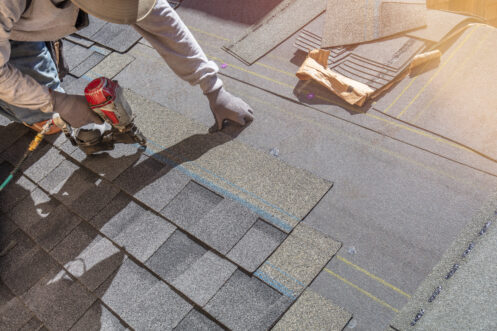
Residential and commercial roofing materials differ significantly in composition and durability. Residential roofs typically use asphalt shingles. They are cost-effective and suitable for sloped surfaces. Homes also have metal, slate, tile, and composite shingle roofs.
Commercial roofs often use rubber, metal, or single-ply membranes. These materials work well with larger, flatter surfaces.
Residential roofing materials provide moderate durability, usually lasting 20 to 30 years for asphalt and up to 100 years for slate or metal. Most homeowners choose roofing materials based on aesthetics.
Commercial roofs typically last around 20 to 30 years. However, commercial roofs are much tougher than residential ones. They must provide weather-resistance, efficiency, and large-scale coverage.
Climate significantly influences the choice of roofing materials for both residential and commercial roofs. In the South, thermoplastic polyolefin and modified bitumen are popular choices. They can withstand the region’s hot, sunny climate and its high humidity levels. Other suitable options include PVC, EPDM, and metal roofing.
Across the South, asphalt shingles cover many rooftops. The material is inexpensive and tough, holding steady through heat, storms, and high winds. Homeowners also select metal, slate, or tile for different looks and benefits.
Maintenance Requirements
Each roof type has unique maintenance requirements. Both require professional services to prevent needless damage and ensure lifespan protection. Our roofers at Fraser Roofing, LLC provide maintenance services for homes and commercial buildings in Georgia and South Carolina.
Residential Roofing
Residential roofs require maintenance at least once a year. Roof maintenance begins with an inspection to look for signs of wear and tear and damage. Fixing minor damage is much easier and less expensive than waiting for big roofing problems to develop. Damage usually occurs to the flashing first, so this is an area where roofers focus during inspections and maintenance.
Homeowners also need to manage routine upkeep beyond repairs. Clearing gutters is especially important, since it keeps water moving off the roof and away from the foundation. Every couple of years, the roof itself should be washed to stop moss, algae, and debris from causing damage.
Commercial Roofing
Commercial roofs also need maintenance to protect their lifespans. It’s wise to schedule a roof inspection once or twice a year, or more often if there are signs of damage. During these inspections, we look for repair issues, such as membrane separation.
We also check the drainage system to ensure it works properly. Improper drainage can cause significant damage to a flat commercial roof. Addressing issues like leaks or damage will protect your building and prevent expensive structural problems.
Cost Considerations
Whether installing a residential or commercial roof, many owners consider cost first. Although cost is an important factor to consider, it involves more than the initial investment. You also need to consider the long-term value of each roofing material.
Residential Roofing Costs
The cost of residential roofs depends on several factors. We offer free estimates so you will know the costs and can plan according to your budget. Our roofers factor in the following when giving you an estimate:
- Material choice
- Slope complexity
- Home size
Long-term factors to consider include curb appeal and resale value.
Commercial Roofing Costs
Commercial roofs are generally more expensive than residential roofs because they require more materials, labor, and added systems. Long-term factors to consider include energy efficiency and reduced operating costs.
- Complexity of the design
- Building square footage
- Material type
- Added systems
Labor costs are usually higher for commercial roofs than residential roofs because of safety regulations and complicated installations.
Codes and Regulation Differences
Professional roofers must follow all local codes and regulations when installing residential and commercial roofs. Failure to install roofs according to local codes can result in structural integrity issues and potential legal penalties or fines. Codes and regulations differ between residential and commercial roofs.
Residential Roofing Codes & Regulations
Residential roofing codes and regulations primarily focus on the following:
- Material standards
- Wind resistance
- Fire resistance
- Proper installation
Commercial Roofing Codes & Regulations
Commercial roofing codes are more stringent and focus on the following:
- Structural integrity
- Fire safety
- Wind resistance
- Accessibility
- Material standards
Commercial roofs must follow OSHA safety standards and the International Building Code ASCE 7-16 for structural loads. Failure to follow the codes and regulations will result in failed inspections, legal penalties, fines, and insurance issues.
Environmental and Energy-Efficiency Factors
Because of their scale, design, and purpose, residential roofs and commercial roofs approach energy efficiency and sustainability in different ways.
Residential Roofs
The energy efficiency of residential roofs depends on the materials, insulation, and ventilation. Insulation installed in the attic provides a barrier against heat transfer. Additionally, there are options like cool shingles or metal roofing that reflect sunlight and help minimize heat absorption. When coupled with ample ventilation, homes will stay more comfortable and energy efficient.
Material choice matters when it comes to environmental impact. Asphalt shingles pose issues because of their petroleum base. Sustainable alternatives include metal and green roofs.
Commercial Roofs
The environmental and energy-efficiency factors of commercial roofs also depend on material choice and insulation. Many commercial buildings install cool roofs, which are especially beneficial in urban areas because they help mitigate heat absorption by reflecting sunlight.
Like residential roofs, materials matter in commercial roofs. Popular choices like TPO, PVC, and metal can benefit or strain the environment based on the energy consumed during manufacturing and their recyclability.
Rely on Us for All Your Roofing Needs
Both residential and commercial roofs serve the same protective purpose, though they differ in design, materials, maintenance, and costs. Knowing the differences helps Metro Atlanta property owners make informed decisions based on their budgets and needs.
Material selection affects how a roof impacts the environment and how long it lasts. Proper installation by knowledgeable professionals supports durability and efficiency. With ongoing advances, roofing systems in homes and businesses will continue to change to match future needs.
Fraser Roofing, LLC is the trusted source for residential roofing services in the Metro Atlanta area. We use the highest quality materials, cutting-edge installation techniques, and professional craftsmanship to ensure your roof protects your property for many years.
Contact Fraser Roofing, LLC when you need to schedule residential roofing services in the Metro Atlanta area.